
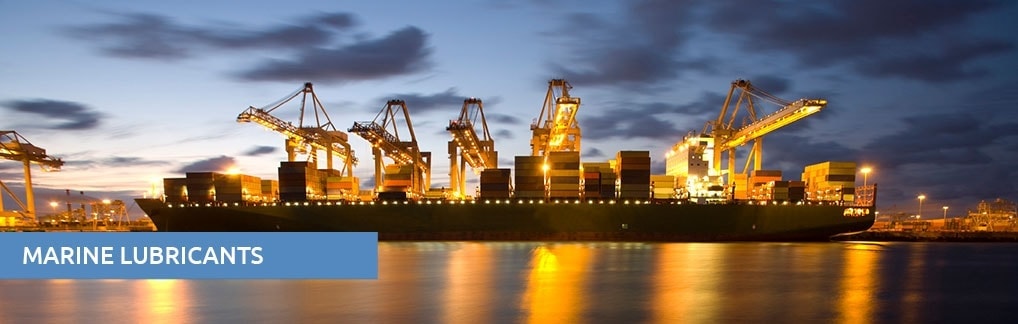

The maritime industry operates in one of the most challenging environments for mechanical equipment. Constant exposure to saltwater, extreme weather conditions, heavy loads, and stringent environmental regulations create unique challenges for vessel maintenance. Within this complex ecosystem, marine lubricants serve as the lifeblood of vessel operations, safeguarding critical systems while ensuring compliance with international standards.
Selecting the appropriate marine lubricants involves careful consideration of multiple factors. Modern vessels feature diverse equipment—from powerful main engines and generators to deck machinery, steering systems, and refrigeration units. Each component requires specialized lubrication solutions tailored to its specific operating conditions and performance requirements.
Environmental compliance has become increasingly significant in marine operations. The International Maritime Organization’s evolving regulations on sulfur content and other emissions have driven innovation in lubricant formulations. Today’s advanced marine lubricants must not only protect mechanical components but also help vessels meet environmental standards in emission control areas and open waters alike.
Vessel operators understand that reliability at sea translates directly to profitability. Unexpected mechanical failures can lead to costly downtime, emergency repairs in foreign ports, and potential cargo delays. A comprehensive lubrication program using high-quality marine-specific products offers protection against these operational risks.
The operating conditions for marine equipment present unique challenges. Engine rooms can reach extreme temperatures, machinery may operate continuously for weeks or months, and vibration is constant. Premium marine lubricants are engineered to maintain viscosity and performance characteristics under these demanding conditions, preventing accelerated wear that can compromise vessel safety and efficiency.
Beyond performance benefits, proper lubrication practices contribute significantly to vessel economics. Extended drain intervals reduce maintenance costs and waste oil generation. Improved fuel efficiency through reduced friction translates to lower operational expenses. Enhanced component longevity delays major capital expenditures for equipment replacement.
From commercial shipping fleets to fishing vessels and recreational boats, marine operators benefit from partnering with lubricant suppliers who understand the specific needs of maritime applications. These specialists can provide not only quality products but also valuable technical support, including oil analysis programs that identify potential problems before they lead to equipment failure.
As marine technology continues evolving toward greater efficiency and sustainability, lubricant technology must advance in parallel. Industry leaders maintain close relationships with equipment manufacturers to develop formulations compatible with new materials and designs.
For additional information on marine regulations, visit the International Maritime Organization or explore technical resources from the Society of Naval Architects and Marine Engineers.

Comments are closed.