
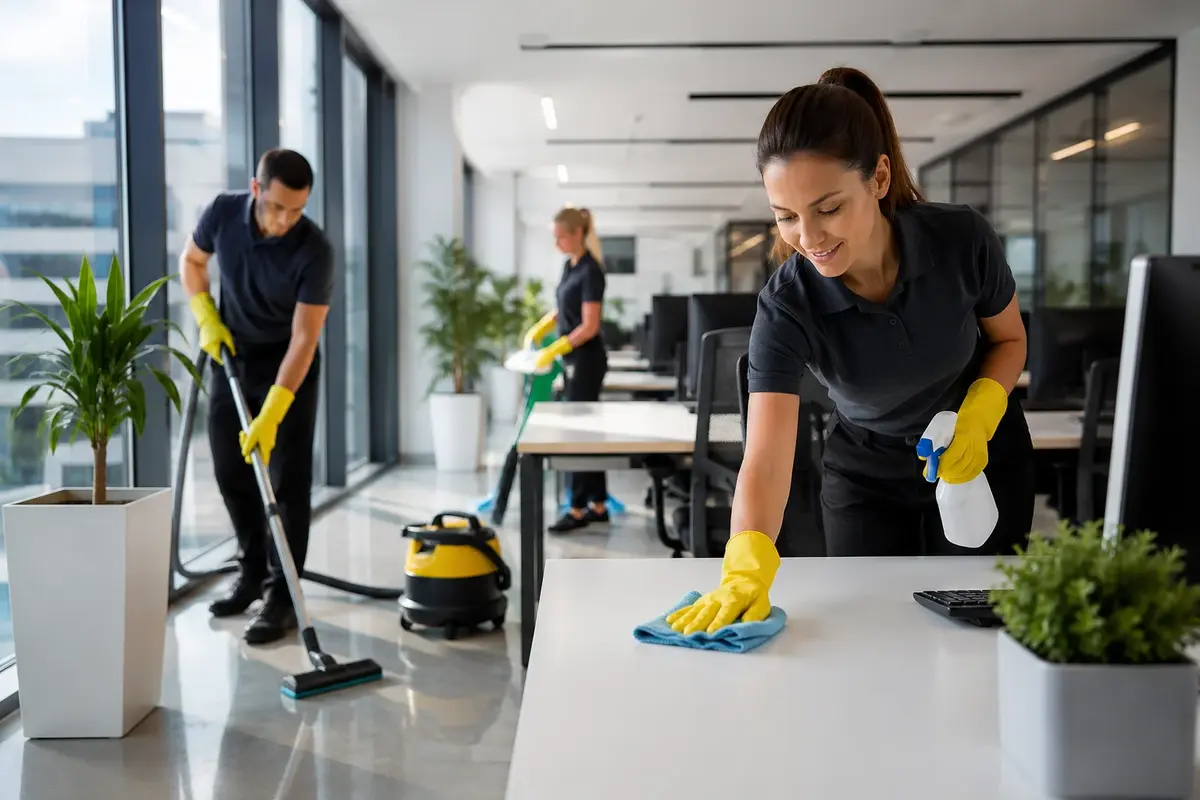

A clean workplace does more than make a business look organised. It shapes how clients, staff, suppliers, and visitors feel the moment they walk through the door. In a city like Perth, where businesses compete across offices, retail spaces, professional services, industrial sites, and hospitality venues, presentation can quietly influence trust. A tidy reception area, fresh-smelling meeting room, polished floor, and clean workspace all send the same message: this business is serious, responsible, and well managed.
For many local companies, maintaining that standard consistently is not easy. Daily foot traffic, staff movement, dust, fingerprints, rubbish, spills, and shared facilities can quickly make a workplace look neglected. This is why businesses often work with professional cleaning providers such as Commercialcleaningperthwa to keep their premises looking professional throughout the week, not just before an important client visit.
First Impressions Start Before the Conversation
When a client enters an office or commercial building, they often form an opinion before anyone speaks to them. The entrance, floors, windows, reception desk, seating area, and even the smell of the space all contribute to that first impression.
A clean workplace gives visitors confidence. It suggests that the company pays attention to detail, values professionalism, and cares about the people who enter the space. On the other hand, a dusty lobby, stained carpet, overflowing bin, or untidy meeting room can create doubt. Even if the business delivers excellent service, a poorly maintained workplace may make clients question its standards.
This matters in many industries. A law firm, accounting office, real estate agency, medical centre, training centre, or consultancy cannot rely only on its service quality. The physical environment supports the brand image. When the workplace feels clean and organised, the business appears more reliable.
Clean Offices Support Staff Productivity
A clean workplace is not only about impressing visitors. Employees spend hours inside the office every day, so the condition of the environment affects how they work and feel. Cluttered desks, dusty surfaces, dirty kitchens, sticky floors, and poorly maintained restrooms can create discomfort and distraction.
When staff work in a clean and organised setting, they can focus better. Clean surroundings reduce visual stress and help create a more positive working atmosphere. Employees are also more likely to respect a workplace that is already well maintained. When bins are emptied, floors are cleaned, surfaces are wiped, and shared spaces are fresh, people tend to be more mindful about keeping the place tidy.
This is especially important in busy offices where many people share the same desks, meeting rooms, printers, kitchens, bathrooms, and breakout spaces. Regular Office Cleaning helps businesses maintain these areas properly without placing the burden on employees who are already focused on their own work.
Hygiene Has Become a Business Priority
Workplace hygiene is now a serious business concern. Employees and visitors notice whether a company takes cleanliness seriously, especially in shared areas. Door handles, lift buttons, keyboards, phones, desks, kitchen counters, taps, bathroom fixtures, and meeting room tables are touched throughout the day.
If these high-contact areas are not cleaned regularly, germs can spread more easily. This may lead to more staff sick days, lower productivity, and discomfort among employees. Even a small issue, such as an unclean kitchen or neglected washroom, can affect workplace morale.
Professional cleaning routines help reduce these risks by focusing on both visible cleanliness and hygiene-sensitive areas. It is not just about making the office look neat. It is about creating a healthier environment where people feel comfortable working and visiting.
Reception Areas Need Special Attention
The reception area is often the first physical touchpoint for clients. It should feel welcoming, clean, and calm. This includes the front desk, waiting chairs, floors, windows, signage, magazines, indoor plants, and any display material.
A dusty reception counter or stained waiting chair can make the wrong impression. Similarly, fingerprints on glass doors or dirt near the entrance can make a business look careless. Because reception areas usually receive regular foot traffic, they need more frequent attention than some back-office spaces.
For Perth businesses that welcome clients daily, the reception area should be treated as part of the brand experience. It is not simply a waiting space. It is a silent introduction to the company.
Meeting Rooms Reflect Business Standards
Meeting rooms are another area where cleanliness matters. These spaces are used for client discussions, team planning, interviews, presentations, and business decisions. A clean meeting room helps create confidence and focus.
Tables should be wiped, chairs should be arranged, floors should be clean, bins should be empty, and any whiteboards or screens should be ready for use. If clients enter a room with old coffee cups, dust, crumbs, or marks on the table, it can distract from the purpose of the meeting.
A well-maintained meeting room shows preparation. It tells the client that their visit matters and that the company values professionalism.
Staff Kitchens Can Affect Workplace Morale
Office kitchens are often small but highly used areas. Staff prepare coffee, store food, wash cups, heat meals, and gather briefly during breaks. Because of this, kitchens can quickly become messy if they are not cleaned regularly.
Common issues include overflowing bins, food smells, sticky benches, dirty microwaves, unwashed dishes, and stained floors. These may seem minor, but they can create frustration among staff. A neglected kitchen can also attract pests and create hygiene concerns.
A clean kitchen helps staff feel respected. It shows that the business cares about the everyday comfort of its people, not just client-facing areas.
Bathrooms Say a Lot About a Business
Bathrooms are one of the most important areas in any commercial workplace. Visitors and employees may not remember every detail of an office, but they will remember an unclean restroom.
Clean bathrooms should have fresh supplies, clean sinks, sanitised fixtures, dry floors, empty bins, and no unpleasant odours. Regular attention is necessary because bathrooms can quickly become unhygienic during a busy workday.
For businesses that receive clients, customers, patients, or students, bathroom cleanliness is directly linked to trust. If restrooms are poorly maintained, people may assume the same lack of care exists elsewhere in the business.
Clean Workplaces Can Help Protect Assets
Commercial cleaning also helps protect workplace assets. Carpets, flooring, furniture, glass, workstations, and fixtures all last longer when cleaned and maintained properly. Dirt, dust, stains, and grime can damage surfaces over time.
For example, carpets in busy offices collect dust, soil, and debris from shoes. Without regular vacuuming and periodic deep cleaning, they can become stained and worn. Hard floors may lose shine if they are not cleaned correctly. Glass partitions and windows can look dull when fingerprints and dust build up.
Cleaning should be seen as part of property maintenance, not only a cosmetic task. A cleaner workplace can reduce long-term replacement and repair costs.
Different Businesses Need Different Cleaning Routines
Not every workplace needs the same cleaning schedule. A small accounting office may need a different routine from a busy medical reception area, training centre, retail space, or corporate office with high daily foot traffic.
Some businesses may need daily cleaning, while others may need cleaning several times a week. Certain areas, such as bathrooms, kitchens, and reception spaces, may need more frequent attention than storage rooms or low-traffic offices.
The best cleaning plan depends on the size of the premises, number of employees, visitor traffic, business type, operating hours, and hygiene requirements. A tailored routine is usually more effective than a basic one-size-fits-all approach.
Why Outsourcing Cleaning Makes Sense
Some businesses try to manage cleaning internally, but this often leads to inconsistent results. Staff may not have the time, equipment, training, or interest to clean properly. Asking employees to handle cleaning tasks can also affect morale, especially when those tasks fall outside their role.
Outsourcing allows businesses to maintain a cleaner environment without interrupting daily operations. Professional cleaners understand cleaning methods, suitable products, hygiene priorities, and efficient routines. They can also work outside business hours, which reduces disruption.
For business owners and managers, outsourcing cleaning creates peace of mind. Instead of worrying about bins, floors, bathrooms, kitchens, and shared areas, they can focus on running the business.
Cleanliness Builds Trust Over Time
A clean workplace is not only valuable on the day a client visits. It builds trust over time. Employees notice consistency. Clients notice professionalism. Suppliers and partners notice the way a business presents itself. Cleanliness becomes part of the company’s reputation.
In competitive markets, small details can make a big difference. A company may offer excellent service, but if the workplace looks neglected, it can weaken the overall impression. Cleanliness supports credibility, comfort, hygiene, and brand confidence.
For Perth businesses, investing in regular workplace cleaning is not just about appearances. It is about creating a better environment for staff, visitors, and long-term business growth.
FAQs
How often should an office be professionally cleaned?
It depends on the size of the office, number of staff, and daily foot traffic. Many busy offices benefit from daily or several-times-a-week cleaning, while smaller offices may only need scheduled cleaning a few times per week.
What areas should be prioritised in office cleaning?
Reception areas, bathrooms, kitchens, meeting rooms, desks, floors, bins, and high-touch surfaces should be prioritised. These areas have the biggest impact on hygiene and first impressions.
Can professional cleaning help reduce staff sick days?
Regular cleaning of shared areas and high-touch surfaces can help reduce the spread of germs in the workplace. While it cannot prevent every illness, it supports a healthier working environment.
Why is office cleaning important for client-facing businesses?
Client-facing businesses need to create trust quickly. A clean office helps show professionalism, attention to detail, and respect for visitors, which can support a stronger business image.

Comments are closed.