
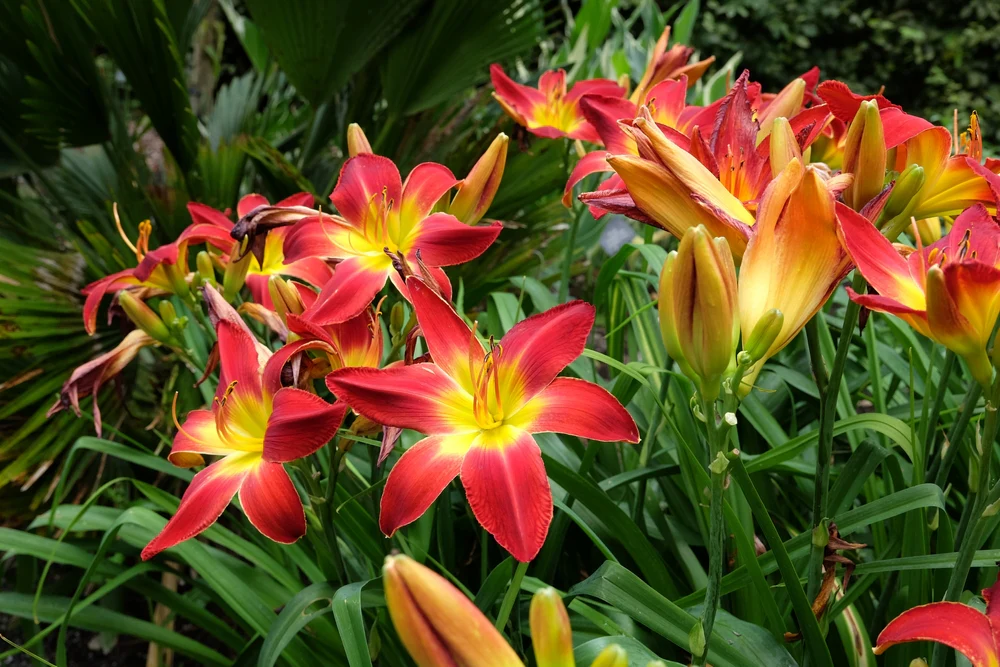

Daylilies are perennials which thrive in a range of conditions, from urban borders to rural orchards, providing structure and colour without demanding excessive maintenance. As gardeners increasingly seek plants that integrate seamlessly into mixed schemes—such as underplanting around apple trees to suppress weeds and attract pollinators—selecting high-quality daylilies is essential for achieving reliable results. Poor choices can lead to disappointing blooms or short-lived specimens, undermining efforts to create sustainable landscapes.
This guide presents six targeted tips for purchasing daylilies, drawn from horticultural best practices suited to the UK’s variable climate. By focusing on key attributes like vigour and suitability, you can build resilient displays that complement fruit trees or standalone beds. The premier grower of Daylily plants, SwallowtailDaylilies, emphasises the importance of inspecting root health at purchase: robust, fibrous systems ensure quicker establishment and fewer transplant issues. For guidance on selecting proven varieties, consider their Hemerocallis selections. When exploring daylily plants for sale, these principles help distinguish specimens that will flourish over seasons, contributing to a cohesive garden ecosystem.
Tip 1: Examine the Flower Substance and Form
The foundation of a quality daylily lies in the integrity of its blooms, particularly their substance and form. Substance refers to the thickness and resilience of petal tissue, which prevents wilting under British summer sun or rain. Thin petals may appear attractive initially but often brown or melt in adverse weather, reducing the plant’s ornamental value. To assess this during purchase, gently handle sample flowers if available; firm, waxy textures indicate durability. Form encompasses the overall shape—tetraploid varieties, with thicker petals, typically outperform diploids in holding their structure.
In a practical garden context, these attributes enhance longevity. For instance, placing daylilies near fruit trees like Cox’s Orange Pippin apples allows their sturdy blooms to withstand splashes from overhead irrigation or dew, maintaining tidiness in mixed plantings. Horticultural trials from the Royal Horticultural Society (RHS) confirm that cultivars with strong substance, such as ‘Stafford’ or ‘Golden Chimes’, exhibit less fungal spotting in humid conditions prevalent across southern England. When buying, opt for plants displaying buds in various stages; this reveals consistent form rather than isolated showpieces.
Beyond aesthetics, robust flowers support pollinator activity, drawing bees essential for apple pollination. Gardeners in cooler northern regions, like Scotland, benefit from selecting early-blooming types with dense substance to maximise daylight exposure before shorter days arrive. Retailers often label substance levels, but visual inspection trumps descriptions—avoid any with translucent edges. Integrating such daylilies into borders creates low-maintenance foregrounds, where their form echoes the upright habit of young fruit saplings, fostering a balanced composition. Over time, these choices yield divisions for propagation, extending value in expansive plots. By prioritising substance, purchases align with sustainable gardening, minimising replacements and chemical interventions.
Tip 2: Select for Appropriate Bloom Seasons
Timing of blooms is crucial for daylilies, as it determines how effectively they contribute to seasonal interest in your garden. British climates, with their extended twilights and occasional frosts, favour cultivars that extend colour from May through October. Early, mid, and late-season varieties allow staggered displays, preventing gaps that might otherwise leave fruit tree bases barren. When purchasing, review labels for bloom dates; reblooming types, like ‘Stella de Oro’, offer repeat performances, ideal for prolonged enjoyment.
This selection strategy supports biodiversity in orchards, where daylilies can underplant varieties such as Discovery apples, providing ground cover that blooms in harmony with fruit ripening. The RHS recommends mixing seasons to achieve continuous nectar sources for insects, enhancing overall ecosystem health. For example, early bloomers such as ‘Hyperion’ initiate displays in June, bridging spring bulbs and summer perennials, while late ones like ‘Autumn Minaret’ extend into autumn, complementing fading foliage.
Consider your site’s microclimate: exposed coastal gardens in Wales may suit shorter-season plants to avoid wind damage, whereas sheltered southern plots tolerate extended bloomers. Nurseries often group stock by season, facilitating informed choices. Avoid over-reliance on mid-season alone, as this risks monotony; a blend ensures resilience against erratic weather, a common UK challenge. In practice, documenting past garden performance aids future buys—note which timings synchronise with apple harvests for visual and functional synergy.
Rebloomers demand fertile, well-drained soil but repay with vigour, dividing easily every three years to refresh beds. This approach not only sustains aesthetics but also promotes soil health through root exudates that benefit nearby trees. By aligning purchases with seasonal needs, daylilies become integral to year-round planning, reducing the effort required for dynamic landscapes.
Tip 3: Prioritise Healthy Foliage and Roots
Vigorous foliage and roots form the backbone of any daylily’s success, far outweighing superficial bloom appeal. Healthy leaves should be strap-like, upright, and free from yellowing or spots, indicating resistance to common issues like rust. Roots, ideally fibrous and white, signal nutrient uptake efficiency, crucial for establishment in amended orchard soils. During inspection, lift pots gently to check for circling or compacted growth—these compromise future spread.
In broader gardening, robust daylilies serve as companions to fruit trees, their dense foliage suppressing grass competition around trunks without competing for water. Extension services, including those from the University of Arkansas, stress that well-rooted plants adapt faster to pH variations, from the neutral loams of the Midlands to acid Welsh uplands. Cultivars like ‘Pardon Me’ demonstrate this resilience, thriving in partial shade under larger canopies.
Pot-grown specimens often exhibit superior root health over bare-root, though the latter suit budget-conscious planters if dormant. Soak bare-root purchases pre-planting to hydrate, ensuring 80% survival rates reported in trials. For British buyers, spring acquisitions align with milder soils, allowing roots to anchor before summer dry spells. Avoid plants with mushy crowns, a sign of rot, particularly in wetter northern climes.
Foliage quality also predicts scape height—taller, sturdier stems support more buds, enhancing displays near low-fruiting apples like James Grieve. Regular division maintains this health, yielding surplus for hedging or sales. Selecting thus fosters low-input gardens, where daylilies bolster tree vigour through mycorrhizal associations, shared in root zones. This tip underscores prevention over cure, yielding enduring investments.
Tip 4: Consider Dormant vs. Evergreen Types
Distinguishing between dormant and evergreen daylilies is vital for climatic compatibility, directly impacting winter survival and spring emergence in the UK. Dormant varieties die back fully in autumn, suiting colder regions like the Pennines, where frosts exceed 20 nights annually. Evergreens retain foliage, offering year-round structure but risking heaving in freeze-thaw cycles common in clay-heavy eastern soils.
This choice influences integration with fruit trees; dormants mimic apple leaf drop, allowing clean mulching, while evergreens provide evergreen screening for espaliers. The American Daylily Society advises dormants north of zone 7 equivalents, aligning with much of Britain, though hybrids like ‘Ed Brown’ bridge both for milder south coasts. Labels clarify types—seek semi-evergreens for versatility.
Evergreens demand sharper drainage to avert crown rot, amendable with grit in boggy plots. In practice, mixing types creates layered interest: dormants for bold summer impact under Braeburn apples, evergreens for subtle winter texture. Trials from North Carolina Extension highlight dormants’ superior rebloom in stressed conditions, a boon for organic orchards.
Purchase timing matters—autumn dormants establish roots sans top growth distraction. Inspect for hybrid vigour, evident in balanced foliage. This discernment ensures adaptability, reducing losses from misplacement. Over seasons, appropriate types propagate reliably, expanding borders without strain. By matching dormancy to locale, daylilies enhance garden resilience, harmonising with temperate fruit cycles.
Tip 5: Match Colours and Patterns to Your Garden Scheme
Colour and pattern selection tailors daylilies to existing palettes, ensuring cohesive designs that elevate fruit tree surroundings. Lighter hues, such as pale yellows in ‘Happy Returns’, reflect better in shaded understoreys, contrasting darker apple bark for depth. Patterns—eyes, watermarks, or edges—add intricacy; for instance, ‘Black-Eyed Susan’ introduces bold centres without overwhelming subtle schemes.
In UK gardens, where overcast skies mute vibrancy, opt for saturated tones sparingly. Clemson University’s guidelines note light colours’ visibility from afar, ideal for larger plots with distant viewing. Pair bicolours like ‘Prairie Blue Eyes’ with red-fruited apples for pollinator appeal, their blue-lavender tones cooling warm barks.
Consider scale: small-flowered for intimate herb gardens, large for open lawns. Fragrant varieties, such as ‘Apricot Sparkles’, enhance evening strolls near orchards. Avoid clashing primaries unless thematic; neutrals integrate universally. Nurseries display swatches—test against photos of your site.
Patterns evolve with maturity, rewarding patience. This curation fosters biodiversity, colours drawing specific insects to aid tree health. Sustainable schemes emerge, with daylilies framing harvests visually. Thoughtful matching yields timeless elegance, adaptable across regions.
Tip 6: Choose Reputable Sources and Warranties
Sourcing from established suppliers guarantees authenticity and support, mitigating risks in daylily acquisition. Reputable nurseries, like those affiliated with the British Hemerocallis and Hosta Society, provide verified cultivars and advice, unlike unregulated online listings prone to mislabelling. Seek guarantees covering establishment failures, typically 90 days, ensuring accountability.
In gardening contexts, trusted sources align with fruit tree procurement—specialists offer soil-compatible pairings, enhancing orchard understories. The Guardian’s horticultural notes emphasise field-grown over mass-produced for superior acclimatisation to UK conditions. Visit open days for hands-on assessment, confirming vitality.
Warranties often include care leaflets, detailing division at three years for sustained productivity. Online, verify reviews for dispatch quality—prompt, secure packaging prevents root desiccation. This diligence supports ethical buying, favouring peat-free growers amid environmental shifts.
Reputable outlets educate on integrations, like daylilies stabilising erodible slopes near rootstocks. Long-term, such choices build networks for swaps, enriching collections. Prioritising sources fortifies gardens against uncertainties, yielding proficient, enduring displays.

Comments are closed.